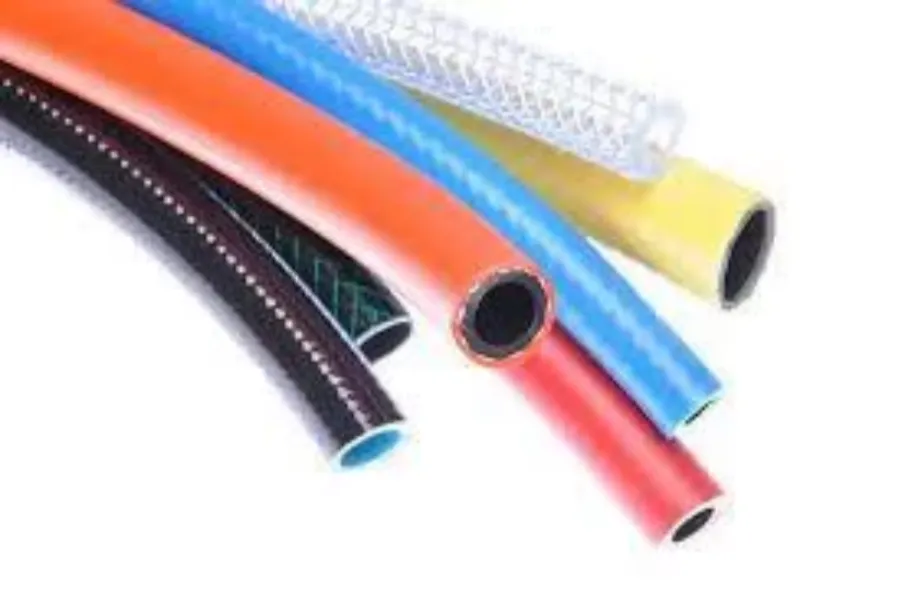
Moving edible liquids through a hose introduces requirements that are very different from transferring water for general industrial use. A Food Hose needs to be selected with attention to the product being conveyed, hygiene requirements, temperature, cleaning practices and the construction of the complete transfer system.
Food processing companies, beverage units and related manufacturers in Nagpur and across Maharashtra can reduce contamination risks and maintenance problems by evaluating these factors before procurement.
Start with the material being transferred
Not every food product behaves the same way inside a hose. Water-based liquids, oils, dairy products and other edible materials may have different compatibility requirements.
The first step is therefore to identify the exact medium.
Buyers should also consider:
- Product temperature
- Required flow rate
- Suction or delivery conditions
- Cleaning chemicals used
- Cleaning temperature
- Frequency of sanitation
- Required hose dimensions
This information helps determine whether a particular hose construction is appropriate.
Internal surfaces deserve attention
In food handling applications, cleanliness matters throughout the transfer path. The hose interior should be suitable for the intended application and should not unnecessarily complicate routine cleaning.
Hose conditions should also be inspected periodically. Damage, aging, internal deterioration or areas that are difficult to clean can affect hygienic operation.
Flexibility must match handling requirements
A very flexible hose is not automatically the best choice.
Some installations require frequent manual movement, while others remain connected to equipment for extended periods. The bend radius, weight and routing requirements should suit the way the hose will actually be used.
If a hose is repeatedly dragged, kinked or bent beyond its recommended limits, service performance can be affected regardless of its intended food handling application.
Cleaning conditions matter
Many processing facilities clean transfer equipment frequently. Cleaning may involve elevated temperatures or specific cleaning agents.
A hose suitable for the food product must also be evaluated against the cleaning method used by the facility. Procurement teams should provide both operating and sanitation conditions when requesting a recommendation.
Connections are part of hygienic handling
A transfer line is only as practical as its complete assembly. End connections should suit the equipment, operational requirements and cleaning process.
Poorly matched connections can create leakage points and make routine handling more difficult.
Food manufacturers in Maharashtra should therefore evaluate the hose, fittings and connection arrangement as one system rather than purchasing each component independently.
Kanta Enterprises in Nagpur supplies industrial hose and rubber product requirements for different sectors, including applications where buyers need product-specific hose selection. Clear information about the transferred medium and operating conditions allows the requirement to be evaluated more effectively.
A Food Hose should never be chosen only because it looks clean, flexible or similar to an existing hose. Compatibility, hygiene, cleaning conditions, temperature and handling practices all influence suitability. A specification-led approach gives food processing teams a stronger foundation for maintaining dependable and hygienic transfer operations.
Keywords