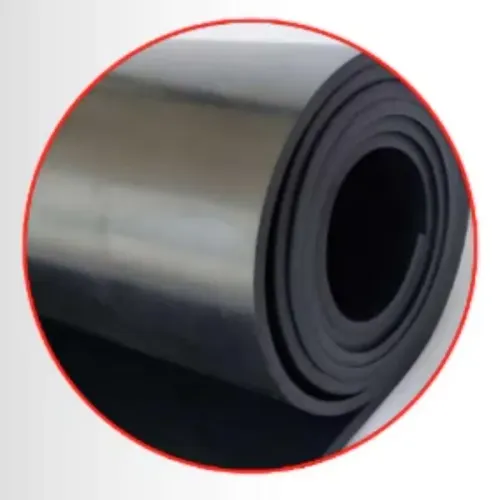

An industrial Rubber Mat is often purchased as a simple workplace accessory, yet its intended function can vary considerably. Some mats are chosen for general floor protection, some for worker comfort, and others for specific industrial environments.
For factories, workshops, warehouses, engineering businesses, and maintenance areas in Nagpur, defining the application before buying helps avoid mismatched products.
Decide What Problem the Mat Needs to Solve
Begin by identifying the primary requirement.
Is the mat intended to protect flooring, create a defined work surface, improve grip in an appropriate environment, provide cushioning, or support another industrial purpose?
Different objectives can require different surface patterns, thicknesses, dimensions, and material characteristics.
Avoid selecting solely from photographs because surface appearance provides limited information about material performance.
Examine the Work Environment
The conditions around the installation matter.
Consider whether the mat will encounter:
- Water
- Oil
- Dust
- Outdoor exposure
- Machinery
- Frequent foot traffic
- Trolleys
- Cleaning chemicals
- Heat
- Sharp objects
Material suitability should be verified for the relevant exposure.
A general-purpose Rubber Mat should not automatically be assumed suitable for every chemical, oil, electrical, or high-temperature environment.
Choose Dimensions Carefully
Large mats can cover broad areas efficiently, while smaller sections may be easier to move, clean, and replace.
Measure the installation area before requesting quotations. Note door clearances, machinery bases, walkways, drains, and other physical features that may affect positioning.
Thickness also needs to suit the application rather than being chosen under the assumption that maximum thickness is always preferable.
Look at Cleaning Requirements
Industrial flooring products inevitably collect dust, debris, oil, and other contaminants.
Consider how the mat will be cleaned and whether it can be moved when necessary. A surface pattern that serves one operational purpose may also influence cleaning effort.
Maintenance planning should therefore be part of product selection.
Avoid Confusing General Mats With Electrical Safety Products
This distinction is particularly important.
A general rubber mat should not be treated as an electrical insulating mat simply because it is made of rubber. Electrical applications require appropriately specified products that comply with the required standards and ratings.
Where electrical protection is required, purchase a product specifically intended and documented for that purpose.
Evaluate Supplier Readiness
Before placing an industrial order, communicate the application, size, thickness, quantity, exposure conditions, and any required material characteristics.
Kanta Enterprises supplies rubber products and industrial hose requirements to businesses in Nagpur and other parts of Maharashtra. For procurement teams, discussing the operating environment can help narrow the specification before commercial comparison begins.
A suitable industrial mat should fit the work area, intended duty, maintenance plan, and documented performance requirements.
FAQs
How thick should an industrial Rubber Mat be
There is no universal thickness. The appropriate choice depends on the mat's purpose, traffic, equipment environment, required flexibility, and product specification.
Can rubber mats be used in oily areas
Only when the selected material is suitable for the expected oil exposure. Check product compatibility rather than assuming all rubber mats are oil resistant.
Is a standard rubber mat electrically insulating
It should not be assumed to provide electrical protection. Electrical applications require properly rated and specified insulating products.
What information should I provide to a supplier
Provide the intended use, dimensions, thickness, quantity, floor conditions, traffic, and exposure to water, oil, chemicals, heat, or outdoor conditions.
Keywords