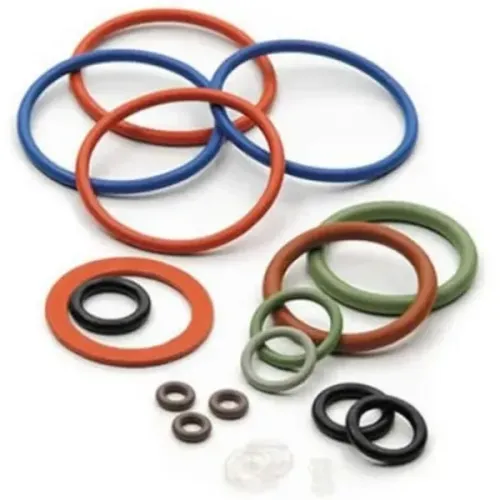
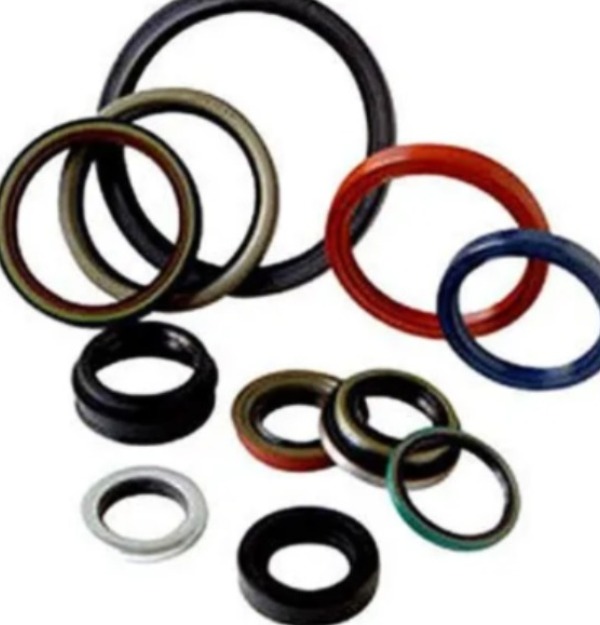
A small sealing component can have a large effect on machinery reliability. An Oil Seal is commonly used around rotating shafts to help retain lubricant and limit the entry of contaminants, depending on the equipment design.
When a seal starts leaking, maintenance teams may be tempted to replace it immediately with another component of matching dimensions. Dimensions matter, but they are not the only selection factor.
Understand Why the Existing Seal Failed
A leaking seal does not always mean that the seal itself was the original cause.
Possible contributing factors can include:
- Shaft wear
- Incorrect installation
- Excessive temperature
- Contamination
- Misalignment
- Pressure conditions
- Unsuitable sealing material
- Damaged sealing surfaces
- Improper dimensions
Repeatedly replacing the seal without investigating the surrounding equipment can lead to repeated leakage.
Record All Relevant Dimensions
Accurate measurement is fundamental when identifying an Oil Seal.
Depending on the product, buyers may need the shaft diameter, housing bore, seal width, and existing identification markings.
Measurements should be taken carefully using appropriate instruments. A small dimensional difference can prevent correct installation and sealing.
Where an equipment manual or OEM part specification is available, it can provide valuable confirmation.
Consider the Operating Medium
Seal material needs to be compatible with the lubricant or fluid in the application.
Different elastomer materials can have different resistance to oils, fuels, temperature, and chemicals. Operating temperature should therefore be provided along with fluid information.
This is especially important in industrial machinery where heat can vary substantially between applications.
Examine the Shaft Surface
The area where the sealing lip contacts the shaft should be inspected.
Wear grooves, roughness, corrosion, or physical damage can interfere with sealing performance. Installing a new seal against a damaged surface may not address the underlying leakage problem.
Maintenance personnel should evaluate the condition according to equipment repair procedures.
Installation Quality Matters
Even the correct seal can be damaged during installation.
The sealing lip and outer surface should be protected from inappropriate force and sharp edges. Correct orientation is also essential.
Installation procedures should follow equipment and seal manufacturer guidance.
Improve Future Procurement
Factories and engineering businesses in Nagpur can maintain records of commonly used seals by machine and application.
Kanta Enterprises supplies industrial rubber components and sealing products for maintenance and procurement requirements. Buyers who provide dimensions, material requirements, equipment details, operating temperature, medium, and existing part markings make identification more efficient.
For frequently serviced equipment, creating an internal component list can shorten future maintenance response time and reduce incorrect purchasing.
FAQs
What measurements are needed for an Oil Seal
Common identification dimensions include shaft diameter, housing bore, and seal width, although the exact information required depends on the seal design.
Why does a new oil seal start leaking quickly
Potential causes include installation damage, shaft wear, incorrect dimensions, unsuitable material, excessive temperature, pressure conditions, misalignment, and contamination.
Does oil seal material matter
Yes. Material compatibility with the lubricant, temperature, and operating environment can affect seal performance.
Can I identify an oil seal only by its appearance
Appearance alone is unreliable. Dimensions, markings, material, design, and application information should be checked.
Keywords