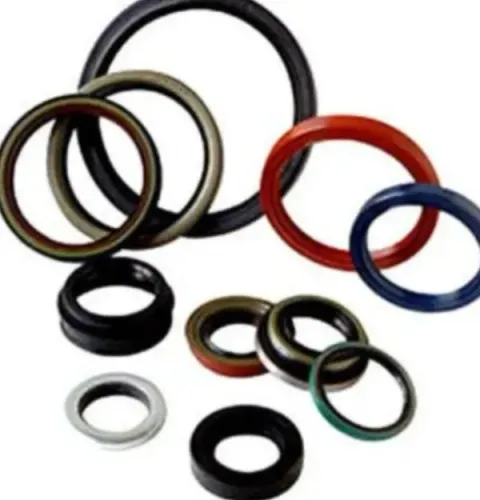
An O Ring may be one of the smallest items in an industrial purchase list, but selecting the wrong one can cause leakage, maintenance delays, and repeated equipment shutdowns. Correct identification involves dimensions, material, fluid compatibility, temperature, pressure, and the design of the sealing application.
For OEMs, factories, engineering companies, chemical plants, pharmaceutical businesses, and maintenance teams in Nagpur, a structured ordering process can prevent many common errors.
Identify the Size Correctly
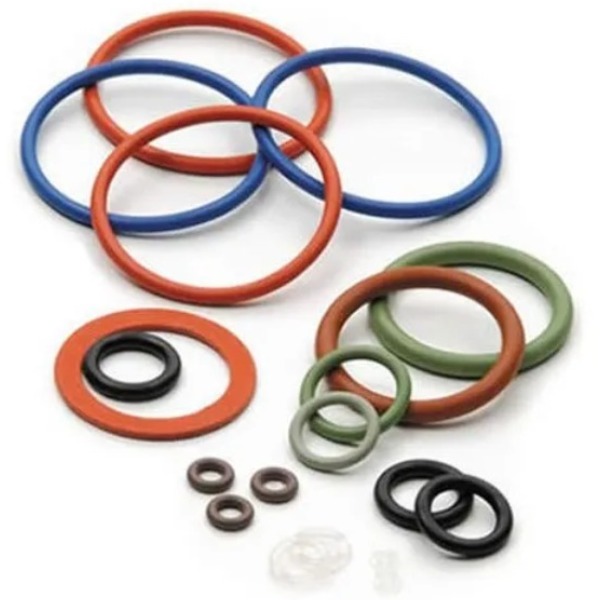
O rings are generally specified using defined dimensions rather than vague descriptions such as small, medium, or large.
Accurate identification commonly requires dimensions such as inside diameter and cross-section, along with the relevant sizing system or part specification.
If an old O ring is badly stretched, swollen, flattened, or damaged, measuring it may not provide an accurate representation of its original dimensions.
Equipment documentation can therefore be valuable.
Select Material Based on Service Conditions
Not all elastomer compounds behave the same way.
An O Ring used with hydraulic oil may have different requirements from one exposed to chemicals, water, high temperature, or another process medium.
When contacting a supplier, state:
- Fluid or gas
- Operating temperature
- Pressure conditions
- Required dimensions
- Equipment application
- Material requirement where known
- Quantity
- Relevant industry requirements
For chemical applications, exact media information can be particularly important.
Check the Groove and Sealing Surfaces
A replacement O ring cannot compensate for every mechanical problem.
Inspect the groove and mating surfaces for damage, contamination, corrosion, or other abnormalities according to equipment maintenance procedures.
Incorrect groove dimensions or damaged surfaces can contribute to sealing problems even when the elastomer itself is correctly specified.
Avoid Installation Damage
O rings can be cut, twisted, pinched, or stretched excessively during installation.
Sharp edges and unsuitable tools may damage the sealing surface before the machine even returns to operation.
Follow the equipment manufacturer's installation recommendations, including any specified lubrication procedure.
Manage Frequently Used Sizes
Industrial maintenance departments often consume the same O ring sizes repeatedly.
Maintaining a documented inventory list can reduce emergency identification work. The record can include machine name, location, dimensions, material, part reference, quantity held, and replacement history.
For companies operating several production lines in Nagpur, this approach can also help procurement teams consolidate recurring requirements.
Evaluate a Supplier Before an Urgent Requirement
A supplier relationship is easier to assess before a machine is already down.
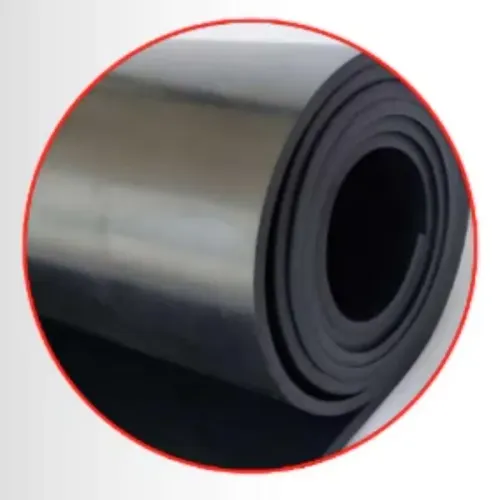
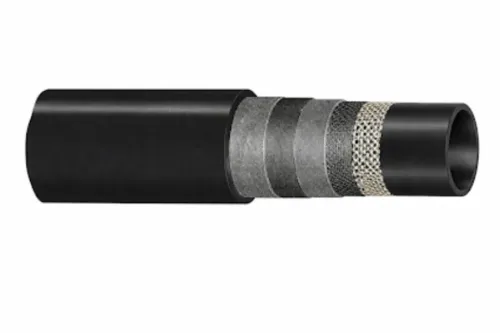
Kanta Enterprises serves industrial customers requiring sealing products, hoses, rubber sheets, mats, and related industrial rubber products in Nagpur, Maharashtra. Providing accurate specifications allows the supplier to understand the requirement rather than relying on visual matching.
Procurement teams should also check whether product identification, required quantities, specification information, and availability can be discussed clearly.
The cost of an individual seal may be small, but the operational consequences of an incorrect component can be much larger. Accurate specification remains the most reliable starting point.
FAQs
What dimensions are needed when ordering an O Ring
Inside diameter and cross-section are commonly important, together with the relevant size standard or equipment part specification where available.
Why does an O ring become flat after use
Compression, temperature, material ageing, operating duration, chemical exposure, and application conditions can influence permanent deformation. Repeated problems should be investigated.
Can the same O ring material handle every chemical
No. Elastomer compatibility varies considerably. The exact chemical, concentration, temperature, and application conditions should be considered.
What information helps a supplier identify an O ring
Provide dimensions, material where known, operating medium, temperature, pressure, equipment application, existing markings or part numbers, and required quantity.
Keywords