Many industrial hose problems begin before the product is installed. An incorrectly specified Rubber Hose Pipe may work temporarily yet deteriorate quickly because the application, pressure, temperature, or environment was never properly considered.
For maintenance teams and procurement professionals in Nagpur, avoiding a few common purchasing mistakes can improve both reliability and purchasing efficiency.
Choosing From Appearance Alone
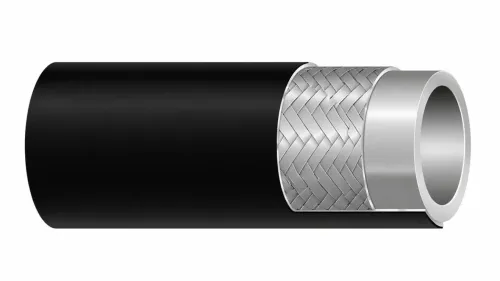
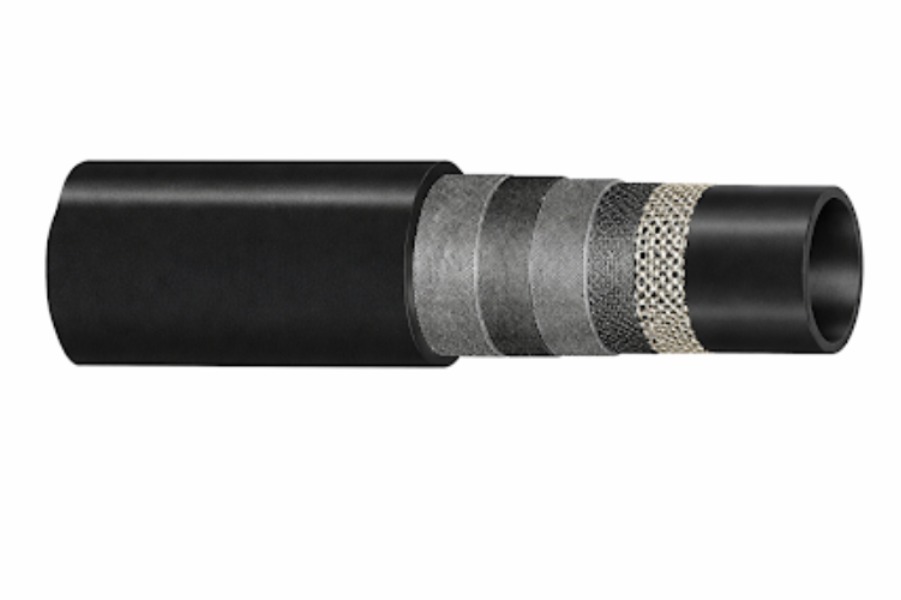
Two rubber hoses can look almost identical while having very different constructions.
Colour, wall thickness, and external diameter do not provide enough information to establish suitability. Buyers need to check documented product specifications.
This becomes especially important when replacing an old hose whose markings have faded.
If identification is uncertain, gather information about the machine, medium, pressure, temperature, dimensions, and fittings rather than guessing.
Ignoring Media Compatibility
Rubber is not a single universal material.
Different compounds respond differently to oils, fuels, water, chemicals, heat, and environmental exposure. A Rubber Hose Pipe should therefore be selected according to the medium it will carry.
Chemical applications deserve particular attention because concentration and temperature can influence compatibility.
Treating Pressure as an Approximation
A hose should not be selected using vague descriptions such as normal pressure or medium pressure when system information is available.
Identify actual operating conditions and compare them with the relevant product specifications.
Connections need the same attention. A suitable hose paired with unsuitable fittings does not create a suitable assembly.
Overlooking Bend Radius
Flexible does not mean infinitely bendable.
Installing a hose in an excessively tight bend can place unnecessary stress on its construction. Tight routing near a fitting is particularly problematic.
Plan the installation so the hose follows an appropriate path without being forced into sharp bends.
Allowing Repeated Abrasion
A hose rubbing continuously against machinery may eventually wear through its cover.
If the same location repeatedly damages replacement hoses, examine the routing rather than continuing to replace the component without addressing the cause.
Clamps, supports, protective measures, or routing changes may be appropriate depending on the equipment design.
Forgetting About Storage
Spare hoses also require suitable storage.
Avoid unnecessary exposure to heat, sunlight, moisture, chemicals, and conditions that can deform the hose. Inventory should be managed so products are identifiable and specifications remain traceable.
This is especially useful for Nagpur factories maintaining multiple hose types for different production lines.
Buying Without Complete Specifications
Incomplete purchase descriptions create opportunities for mistakes.
Instead of requesting only a 25 mm rubber hose, state the application and relevant technical conditions.
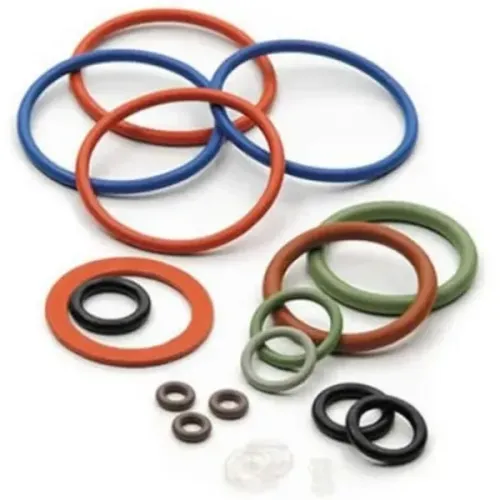
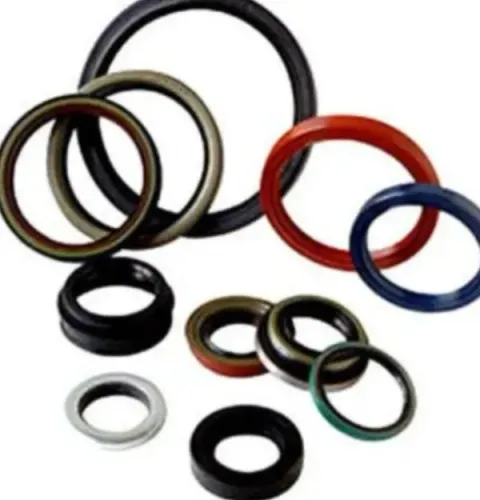
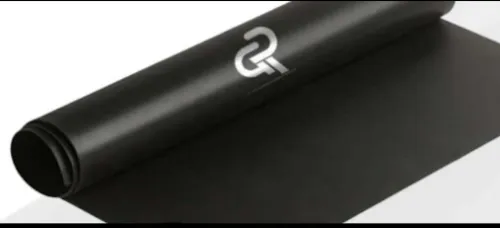
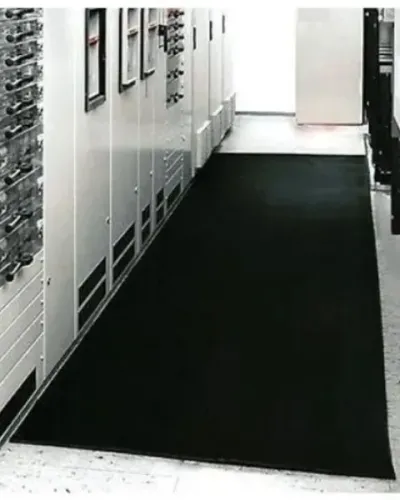
Kanta Enterprises works with businesses in Nagpur and surrounding industrial markets requiring hoses, rubber sheets, seals, mats, and related products. Sharing detailed operating information helps make product discussions more specific.
A small amount of specification work before purchase can prevent repeated ordering errors later.
FAQs
Is every Rubber Hose Pipe suitable for oil
No. Oil compatibility depends on the rubber compound and hose construction. Verify the manufacturer's stated application and compatibility.
Why does a rubber hose become hard
Heat, ageing, environmental exposure, incompatible media, and operating conditions can contribute to changes in flexibility. The cause should be investigated before replacement.
Can a cracked hose remain in service
Visible cracking indicates deterioration that should be assessed. The appropriate action depends on the hose application and condition, particularly where pressure is involved.
What is the most common hose buying mistake
Selecting based only on size and appearance is a major mistake because it overlooks pressure, temperature, medium, construction, and environmental requirements.
Keywords