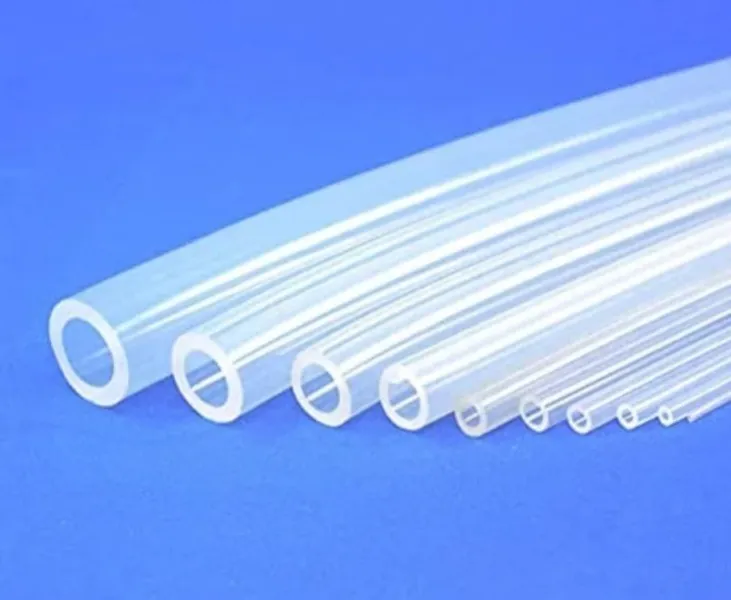
Food processing facilities operate under strict hygiene and safety standards, making every component in the production line important. While equipment often receives the most attention, food hoses play an equally critical role in maintaining product quality and preventing contamination.
From dairy plants to beverage manufacturers and pharmaceutical processing facilities, choosing the right food hose helps protect products while supporting efficient production.
What Is a Food Hose?
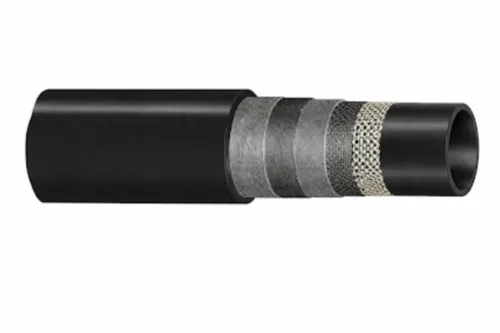
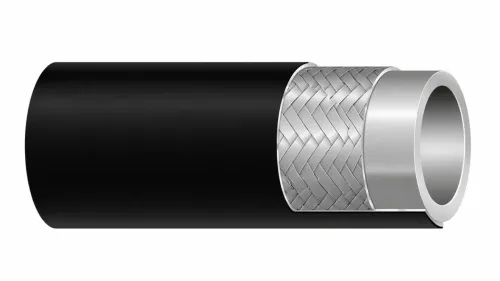
A food hose is specially designed for transferring edible liquids, semi-solid materials, powders, and ingredients without affecting taste, quality, or safety.
Unlike conventional industrial hoses, food-grade hoses are manufactured using materials that comply with food safety regulations and resist contamination.
They are commonly used for transferring:
- Milk
- Fruit juice
- Cooking oil
- Alcoholic beverages
- Drinking water
- Syrups
- Liquid chocolate
- Flour
- Sugar
- Food additives
Essential Characteristics of a Food Hose
Reliable food hoses offer several important features.
Food-Grade Materials
The inner tube should be manufactured from approved materials that do not release harmful substances into food products.
Smooth Internal Surface
A smooth bore minimizes residue buildup and supports effective cleaning after production cycles.
Temperature Resistance
Many food production processes involve hot water cleaning, steam sterilization, or chilled ingredients. The hose should withstand these temperature variations.
Flexibility
Easy handling improves workplace safety and reduces strain during installation and cleaning.
Odour and Taste Neutrality
The hose should not alter the flavour, colour, or smell of food products.
Industries That Commonly Use Food Hoses
Food hoses support production across numerous sectors, including:
- Dairy processing
- Beverage manufacturing
- Breweries
- Bakeries
- Edible oil plants
- Pharmaceutical manufacturing
- Confectionery production
- Food packaging facilities
Several food manufacturers across Maharashtra continue investing in hygienic fluid transfer systems to meet evolving quality standards.
Risks of Using the Wrong Hose
Selecting an unsuitable hose can create serious operational issues.
Potential problems include:
- Product contamination
- Production delays
- Hygiene violations
- Equipment cleaning difficulties
- Increased maintenance costs
- Reduced product shelf life
- Regulatory compliance concerns
These risks often outweigh the initial savings from purchasing lower-quality alternatives.
Best Practices for Food Hose Maintenance
Proper maintenance extends service life while maintaining hygiene.
Recommended practices include:
- Inspect hoses before every production shift.
- Replace worn fittings immediately.
- Clean thoroughly after each production cycle.
- Store hoses away from direct sunlight.
- Avoid dragging hoses across rough floors.
- Follow manufacturer cleaning recommendations.
- Maintain scheduled inspection records.
Routine care supports both operational efficiency and food safety compliance.
Choosing the Right Food Hose
When evaluating food hoses, consider:
- Product compatibility
- Operating pressure
- Temperature requirements
- Cleaning procedures
- Flexibility requirements
- Hose diameter
- Connection compatibility
Every production line has unique requirements, making application-specific selection essential.
Industrial manufacturers serving food processing businesses, including Kanta Enterprises in Nagpur, often assist engineering and maintenance teams in identifying food hose configurations suitable for different manufacturing environments.
As food production standards continue evolving, investing in the right food hose contributes to cleaner operations, improved product consistency, and dependable manufacturing performance without compromising safety or efficiency.
Keywords