A hose carrying fluid at elevated pressure has a demanding job. It must contain the working medium while handling pressure cycles, movement, vibration, temperature changes and environmental exposure. Selecting a High Pressure Hose therefore requires considerably more attention than simply matching its diameter.
This is especially relevant for hydraulic equipment, construction machinery, industrial plants and engineering operations across Nagpur and Maharashtra.
Working pressure comes first
One of the most important specifications is the normal working pressure of the application. The selected hose should have a rated working pressure appropriate for the system and applicable technical requirements.
Burst pressure should not be treated as normal operating capacity. It represents a different safety-related parameter and is not a substitute for selecting the correct working pressure rating.
Pressure surges also deserve attention. Equipment that repeatedly experiences sudden pressure changes can place additional stress on hose assemblies.
Hose construction affects performance
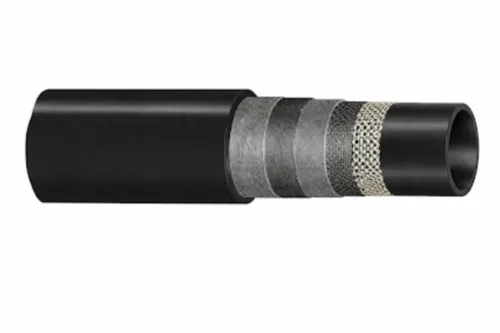
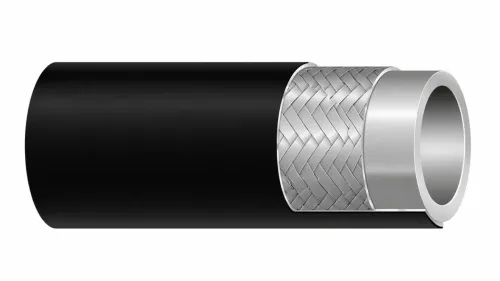
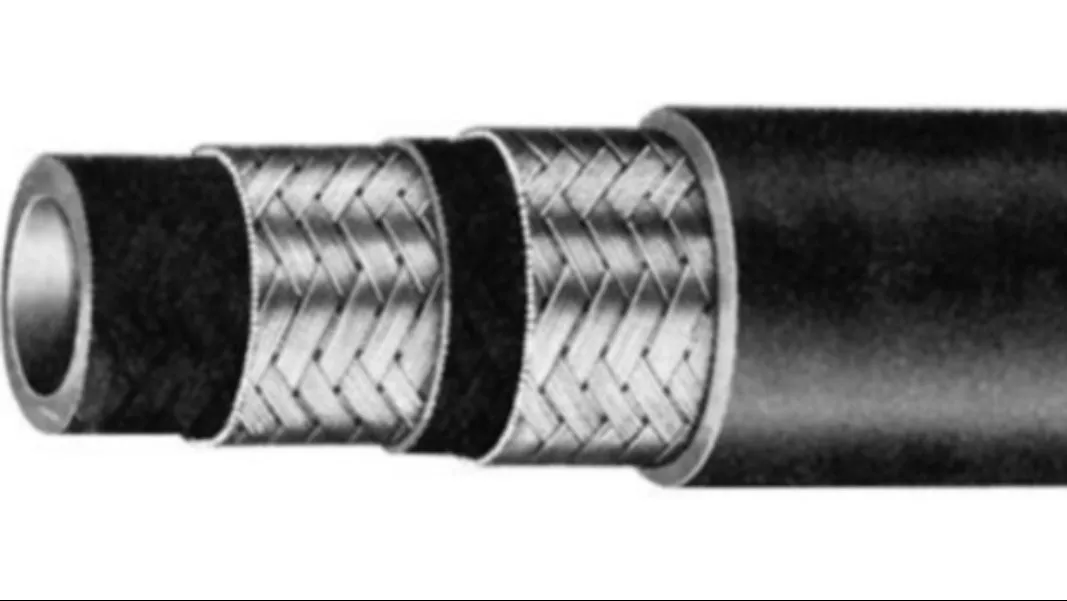
High-pressure hoses commonly use multiple layers designed to provide fluid compatibility, reinforcement and environmental protection.
These may include:
- An inner tube compatible with the fluid
- Reinforcement layers for pressure resistance
- An outer cover for abrasion and environmental protection
The construction required depends on the application. A hose used on mobile construction equipment may face different external conditions from one installed inside stationary industrial machinery.
Temperature can change hose behaviour
Both fluid temperature and ambient temperature should be considered. Excessive heat can accelerate material deterioration, while unsuitable low-temperature conditions may affect flexibility.
Industrial buyers should therefore provide temperature information instead of selecting a hose solely from pressure and size specifications.
Routing affects service life
Even a correctly specified hose can experience premature problems when installed poorly.
Common routing concerns include excessive bending, twisting, rubbing against machine structures and placing unnecessary tension near end fittings. Appropriate bend radius and adequate clearance can reduce mechanical stress during equipment operation.
Protective sleeves or guards may also be useful where abrasion exposure cannot be eliminated through routing.
Fluid compatibility cannot be assumed
Hydraulic oil is common, but high-pressure systems may carry different fluids. The inner tube material must be compatible with the medium being transferred.
Before purchasing, buyers should identify the fluid, pressure, temperature, hose size, connection requirements and equipment movement.
For manufacturing units, engineering companies, construction contractors and maintenance teams in the Nagpur industrial region, this information makes hose selection considerably more precise.
Kanta Enterprises works with industrial customers requiring hoses and associated fluid handling products for different operating environments. Sharing complete system conditions during enquiry helps narrow the selection according to application requirements rather than relying on a generic replacement.
A High Pressure Hose should ultimately be treated as a working component of the pressure system. Pressure rating is essential, but reliable selection also depends on temperature, fluid compatibility, construction, routing and connection details. Considering these factors together helps industrial teams build safer, more maintainable fluid handling installations.
Keywords