Steam is widely used across manufacturing facilities for heating, sterilization, cleaning, and industrial processing. Because steam operates at high temperatures and pressures, the hoses carrying it must meet demanding performance standards.
Choosing the correct steam hose is essential for protecting workers, maintaining operational efficiency, and reducing equipment failures.
What Makes a Steam Hose Different?
Steam hoses are specifically engineered to transport saturated or superheated steam safely.
Unlike general-purpose hoses, they are designed to withstand:
- High operating temperatures
- Elevated pressure
- Thermal expansion
- Frequent heating and cooling cycles
- Moisture exposure
These demanding conditions require specialized construction and durable reinforcement.
Common Industrial Applications
Steam hoses are widely used in:
- Chemical plants
- Textile mills
- Food processing facilities
- Pharmaceutical manufacturing
- Paper industries
- Refineries
- Sugar factories
- Power plants
- Cement plants
Many industrial facilities around Nagpur rely on steam systems for production processes and equipment cleaning.
Why Steam Hose Quality Is Critical
Steam presents unique challenges compared to water or compressed air.
Poor-quality hoses may experience:
- Internal deterioration
- Cover blistering
- Reinforcement damage
- Steam leakage
- Pressure loss
- Unexpected rupture
These failures can create serious workplace hazards.
Important Selection Factors
Several considerations influence steam hose performance.
Temperature Rating
Steam temperatures are considerably higher than those of most industrial fluids. Always verify the hose's continuous operating temperature.
Pressure Capacity
The hose must safely accommodate both operating and surge pressures.
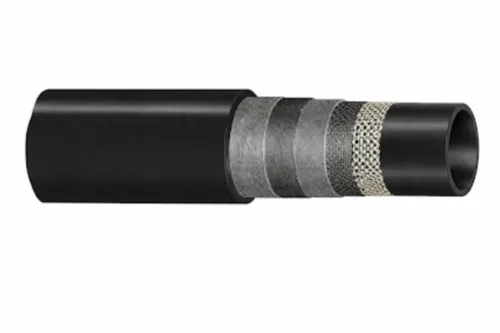
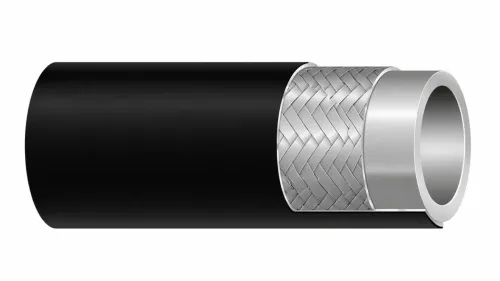
Reinforcement Design
Strong reinforcement provides stability under repeated pressure cycles.
Cover Material
The outer layer should resist heat, weather, and external abrasion.
Warning Signs of Hose Wear
Maintenance personnel should routinely inspect steam hoses for:
- Surface cracking
- Soft spots
- Bulging
- Steam leakage
- Loose couplings
- Burn marks
- Hardening of rubber
- Damaged reinforcement
Early detection helps prevent unexpected shutdowns.
Maintenance Tips
To maximize service life:
- Drain condensate after use.
- Avoid severe twisting.
- Store hoses correctly.
- Protect from mechanical damage.
- Replace worn fittings promptly.
- Conduct scheduled inspections.
- Train operators on safe handling procedures.
Preventive maintenance significantly reduces safety risks.
Why Proper Installation Matters
Incorrect installation often shortens hose life.
Common mistakes include:
- Exceeding bend radius
- Unsupported hose lengths
- Excessive vibration
- Incorrect fitting selection
- Over-tightening connections
Correct installation improves reliability and lowers maintenance costs.
Industrial suppliers such as Kanta Enterprises support engineering teams in selecting steam hose solutions appropriate for different industrial environments, helping facilities maintain safer and more reliable steam transfer systems.
Whether used in manufacturing, food production, or heavy industry, a properly selected steam hose contributes to efficient operations while reducing downtime and improving workplace safety.
Keywords