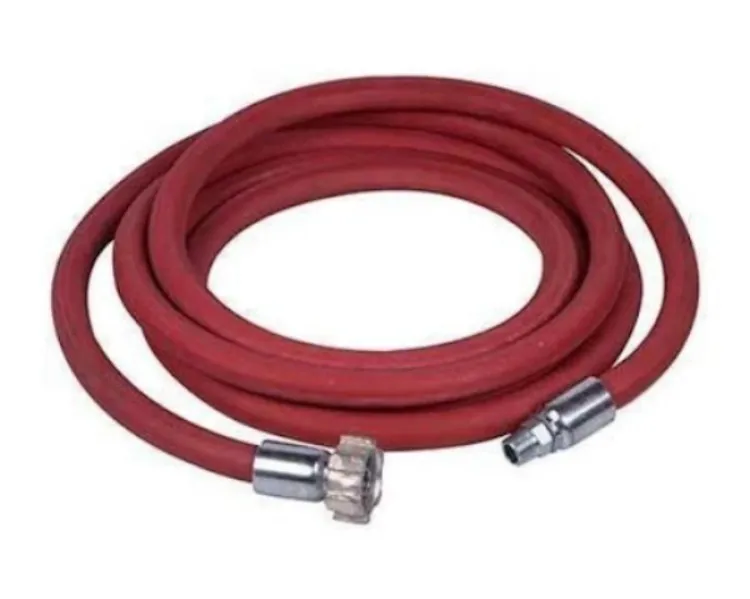
Steam is useful across many industrial processes, but transferring it through a flexible hose requires careful product selection. High temperature combined with pressure creates demanding operating conditions, making a properly specified Steam Hose important for suitable industrial applications.
Plants in Nagpur and industrial locations throughout Maharashtra may use steam for cleaning, processing, heating and other utility functions. Understanding hose limitations helps maintenance teams make better replacement and installation decisions.
Steam creates a demanding environment
Unlike an ordinary water line, a steam application exposes hose materials to elevated temperature and pressure. Repeated heating and cooling can also place stress on the hose construction over time.
Selection should therefore consider the actual steam conditions rather than simply choosing a hose based on its inside diameter.
Important information includes:
- Steam type and operating condition
- Working pressure
- Operating temperature
- Required hose size
- Connection arrangement
- Frequency of use
- Installation environment
The manufacturer’s specified operating limits should always guide selection.
Hose layers perform different functions
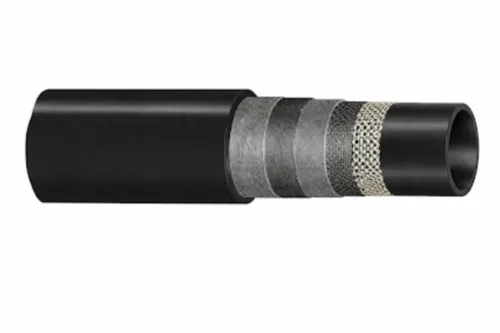
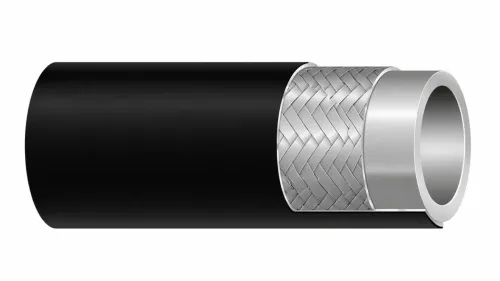
An industrial steam hose is typically designed with materials and reinforcement appropriate to its intended service. The inner tube interacts directly with the medium, reinforcement provides structural strength, and the outer cover helps protect against external conditions.
These layers work together. Damage to the outer surface should not automatically be dismissed as cosmetic because deterioration may eventually affect the integrity of the assembly.
Installation practices matter
Steam hose should be routed to avoid unnecessary mechanical stress. Excessive bending, twisting, crushing and abrasion against surrounding structures can shorten service life.
Connections also require careful attention. Fittings should be suitable for the hose construction and intended service conditions.
Maintenance personnel should inspect assemblies routinely rather than waiting for obvious failure.
Warning signs should not be ignored
A hose may need closer inspection when technicians notice:
- Surface cracking
- Bulging
- Unusual softening
- Hardening
- Leakage around connections
- Abrasion damage
- Deformation near fittings
- Significant change in flexibility
The appropriate response depends on the condition of the assembly and the applicable maintenance procedure. Steam service is not an area where questionable hose condition should be overlooked.
Better procurement starts with operating data
When requesting a replacement, maintenance teams should record the hose dimensions, pressure, temperature, end connections and service environment.
This is particularly helpful for factories, process plants and engineering companies in the Nagpur region where different hose types may be stocked for multiple utility applications.
Kanta Enterprises serves industrial requirements involving hoses and rubber products where specification matching is an important part of product selection. Providing complete operating details can make it easier to identify an appropriate Steam Hose for the intended application.
Steam handling demands respect for temperature, pressure and hose condition. Understanding the construction, operating limits and inspection requirements of the hose helps industrial teams make informed decisions while supporting dependable plant maintenance.
Keywords