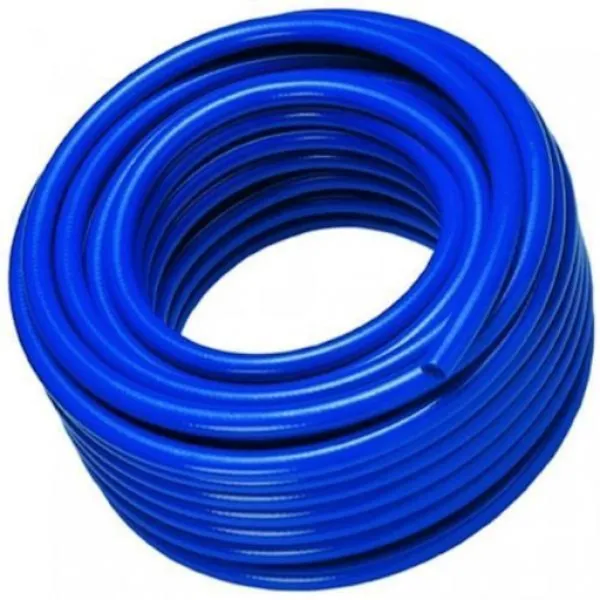
Pneumatic systems depend on consistent airflow between compressors, valves, cylinders and control components. Although tubing appears simple, an incorrectly selected PU Tube can contribute to leakage, restricted flow, poor fitting retention and repeated maintenance.
For automation teams, OEMs and manufacturing facilities in Nagpur and throughout Maharashtra, avoiding a few common purchasing mistakes can improve the reliability of pneumatic installations.
Choosing tubing by appearance
One of the easiest mistakes is replacing tubing because the new product has the same colour and looks similar.
Colour does not confirm dimensions, material properties or pressure capability.
Maintenance teams should verify the outside diameter, inside diameter where relevant, wall thickness and technical specifications before approving a replacement.
Ignoring fitting compatibility
Push-in connectors typically depend on accurate tube dimensions for proper engagement.
A tube that is incorrectly sized can create problems even when it appears to enter the fitting. This makes the relationship between tubing and connector specifications important.
When changing tube brands, sizes or materials, the compatibility of existing fittings should be checked rather than assumed.
Overlooking bend requirements
Polyurethane tubing is often selected because of its useful flexibility, but excessive bending can still restrict airflow or place stress on connections.
Routing should avoid sharp bends immediately beside fittings. Tubing should also be protected from repeated rubbing against machine frames and moving components.
Forgetting temperature conditions
Pneumatic equipment installed near ovens, furnaces, hot machinery or outdoor areas can expose tubing to temperatures different from normal factory conditions.
The operating environment should therefore be included in the selection process.
The same principle applies to low-temperature installations where tubing behaviour may change.
Using the wrong tubing for the medium
Compressed air is a common application, but tubing may be considered for other gases or fluids depending on the system.
Material compatibility should be confirmed whenever the medium differs from the standard application for which the tube is specified.
Making poor cuts during installation
Even correctly selected tubing can leak when installation is careless.
The tube end should be cut cleanly and appropriately for the fitting system. Angled, crushed or damaged ends can prevent proper sealing.
Technicians should also ensure that the tubing is inserted according to the fitting requirements and check the connection before commissioning the machine.
Buying without documenting specifications
Repeated breakdowns often lead to emergency purchases. If the maintenance department does not maintain component records, every replacement becomes another identification exercise.
Recording tube size, material, application and associated fitting information can speed up future procurement.
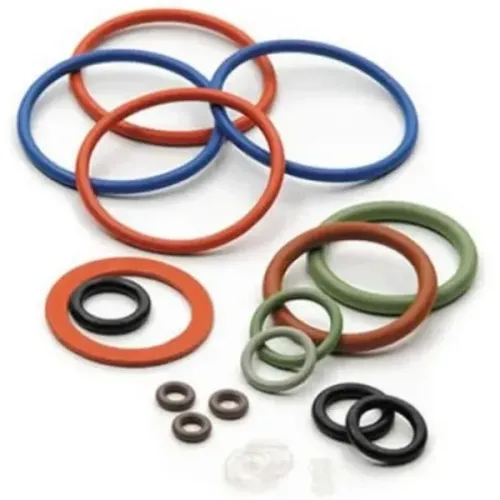
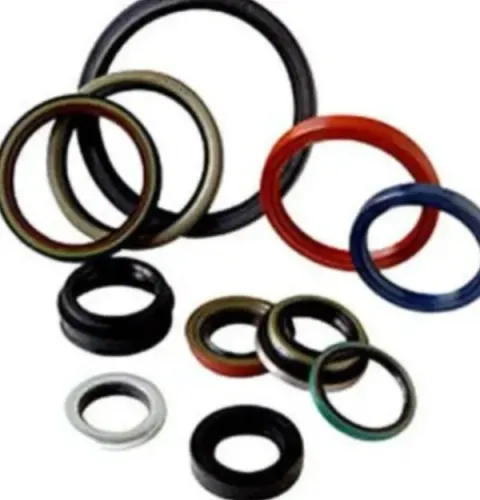
Kanta Enterprises supports pneumatic and industrial fluid handling requirements in Nagpur with products that include tubes, fittings, hoses and rubber components. Sharing the equipment conditions and connection specifications helps narrow down the appropriate PU Tube for a particular installation.
A reliable pneumatic system depends on many small components working together. Selecting tubing by specification, installing it carefully and pairing it with suitable fittings can help maintenance teams reduce avoidable connection problems and keep industrial equipment operating consistently.
Keywords