Silicone hoses have become an essential component in industries where extreme temperatures, flexibility, and long-term durability are critical. Unlike conventional rubber hoses, silicone hoses maintain their performance across a wide temperature range, making them suitable for demanding industrial environments.
For manufacturers, OEMs, and maintenance teams in Nagpur and across Maharashtra, understanding where silicone hoses perform best can help reduce equipment failures and improve operational reliability.
What Is a Silicone Hose?
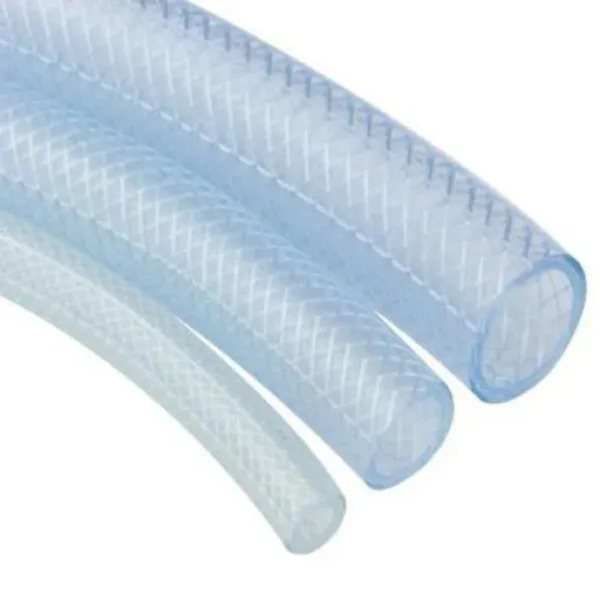
A silicone hose is a flexible tube manufactured from high-grade silicone elastomer. It is engineered to withstand high temperatures, ozone, UV exposure, and aging while maintaining excellent flexibility.
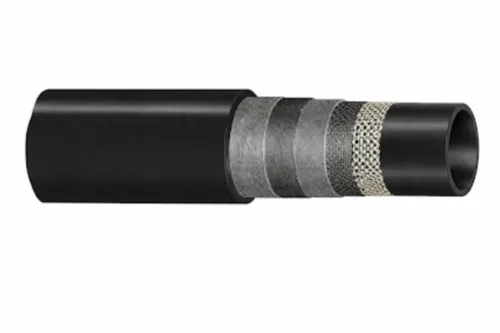
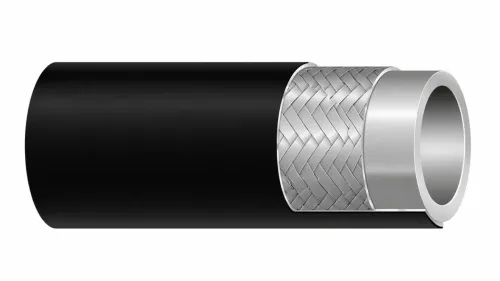
Depending on the application, silicone hoses may include reinforcement layers made from polyester or other materials to improve pressure resistance.
Industries That Commonly Use Silicone Hoses
Silicone hoses are widely used in:
- Industrial machinery
- Automotive manufacturing
- Pharmaceutical equipment
- Food processing plants
- Medical equipment
- HVAC systems
- Chemical processing facilities
- Printing machinery
- Textile industries
These industries often require hoses that continue performing even under continuous heat exposure.
Advantages of Silicone Hoses
Silicone offers several performance benefits that distinguish it from traditional rubber materials.
Excellent Temperature Resistance
Silicone hoses can operate efficiently across both high and low temperatures without becoming brittle or excessively soft.
Superior Flexibility
Even after prolonged use, silicone remains flexible, making installation easier and reducing stress on connected equipment.
Weather and UV Resistance
Unlike many conventional materials, silicone performs well in outdoor environments where sunlight and ozone exposure are common.
Long Service Life
Properly selected silicone hoses generally offer excellent durability, reducing replacement frequency.
Smooth Fluid Flow
The internal surface supports efficient movement of air and fluids with minimal restriction.
Common Industrial Applications
Silicone hoses are frequently used for:
- Hot air transfer
- Coolant circulation
- Ventilation systems
- Industrial heating equipment
- Food-grade processing lines
- Medical devices
- Engine cooling systems
- Air intake systems
Each application requires selecting the correct hose diameter, wall thickness, and pressure rating.
How to Select the Right Silicone Hose
Before purchasing, evaluate the following:
- Operating temperature
- Internal pressure
- Fluid compatibility
- Hose flexibility
- Required bend radius
- Environmental exposure
- Reinforcement requirements
Matching these factors to the application improves both safety and service life.
Common Installation Mistakes
Improper installation often causes premature failure.
Avoid:
- Excessive bending
- Twisting during installation
- Incorrect clamp sizes
- Contact with sharp edges
- Unsupported hose sections
- Operating beyond pressure limits
Careful installation helps maximize performance.
Routine Maintenance Tips
Regular inspection extends hose life.
Look for:
- Surface cracks
- Abrasion damage
- Loose clamps
- Bulging
- Soft spots
- Fluid leakage
- Discoloration caused by excessive heat
Replacing worn hoses before failure reduces costly downtime.
Industrial suppliers such as Kanta Enterprises assist businesses in Nagpur with silicone hose solutions suited for different industrial environments and equipment requirements. Selecting the right silicone hose ensures consistent performance while supporting safe and efficient industrial operations.
Keywords