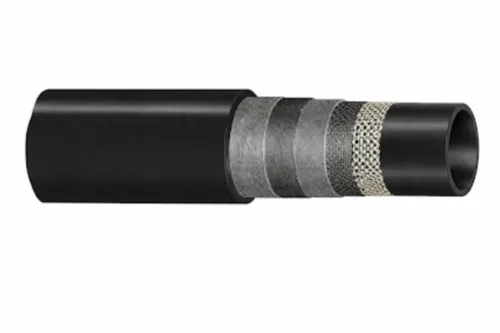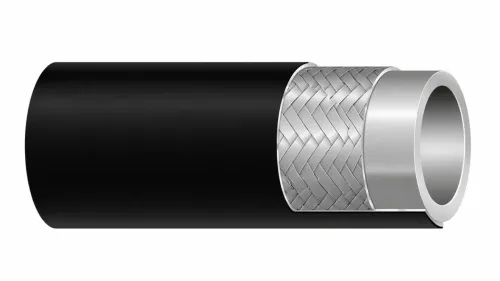
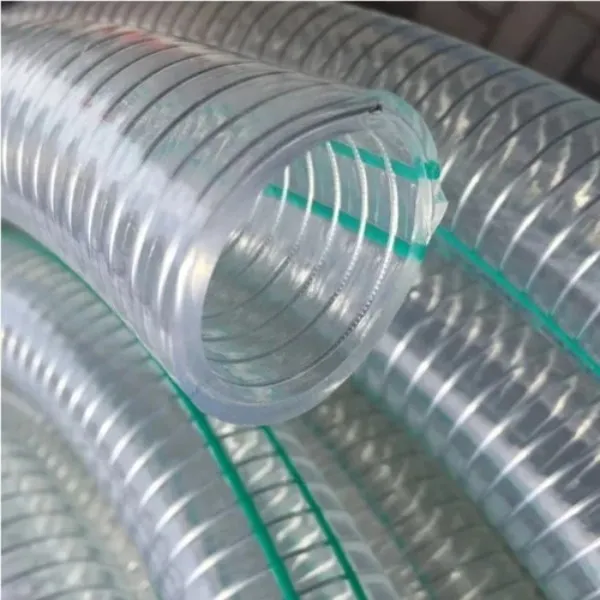
A hose used in food production is part of the processing system, not merely a flexible connection. Buyers looking for a Food Grade Hose should evaluate whether the product is appropriate for the food medium, operating conditions and hygiene procedures used at their facility.
For food manufacturers, dairy-related operations, beverage processors and other production units in Nagpur and Maharashtra, supplier selection should begin with technical suitability and documentation rather than price alone.
Define the product being transferred
A supplier needs to understand what will pass through the hose.
Different edible products can create different material compatibility requirements. Temperature and flow conditions can further influence the selection.
Before requesting a quotation, document the product type, operating temperature, pressure conditions, hose diameter, required length and connection details.
Include the cleaning process
Cleaning is a major part of hygienic production.
If the hose is cleaned using hot water, steam where applicable to the product specification, cleaning solutions or other sanitation procedures, these conditions should be included during product evaluation.
A hose that is appropriate during normal transfer still needs to suit the cleaning regime specified for the installation.
Ask for relevant product information
Professional procurement should be supported by technical information rather than assumptions.
Depending on the application, buyers may need to review available specifications concerning material construction, temperature limits, pressure capability and suitability for the intended food-contact use.
The exact documentation required can vary according to the facility, process and applicable standards.
Examine the complete transfer assembly
Connections influence hygiene and maintenance as much as the flexible hose.
Fittings should match the processing equipment and should support practical cleaning and handling. Poorly selected end connections can create leakage, complicate maintenance and make hose handling unnecessarily difficult.
Look beyond the lowest purchase price
A cheaper hose that does not suit the application can lead to frequent replacements, production interruptions and additional maintenance work.
Procurement teams can make a more meaningful comparison by considering specification suitability, expected operating conditions, ease of cleaning and availability of compatible connections.
This provides a better basis for evaluating value than purchase price alone.
Prepare a complete enquiry
Before approaching a supplier, keep the following information ready:
- Food product being conveyed
- Hose inside diameter
- Required length
- Working pressure
- Product temperature
- Cleaning conditions
- Suction requirements where applicable
- End connection details
- Quantity required
Kanta Enterprises in Nagpur works with industrial customers requiring hoses and related fluid transfer components. Providing these details when enquiring about a Food Grade Hose allows the requirement to be reviewed according to the actual processing conditions.
For food processing operations across Maharashtra, specification-led purchasing also creates better internal records for future maintenance.
The right supplier should be able to discuss the application rather than simply offer a hose of the requested diameter. When buyers arrive with clear process information and evaluate available specifications carefully, they are better positioned to select a hose that fits their hygienic transfer requirements and day-to-day production environment.
Keywords