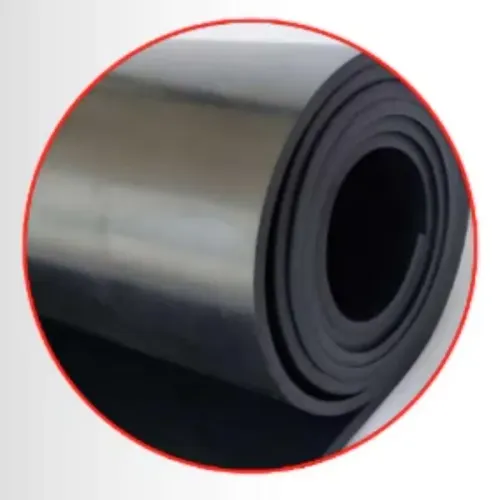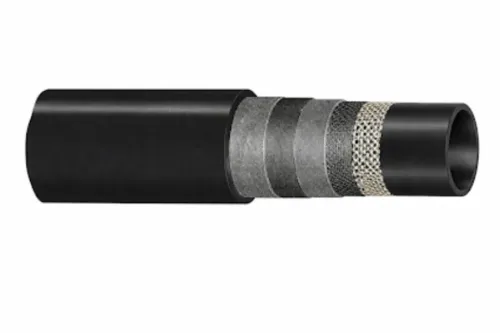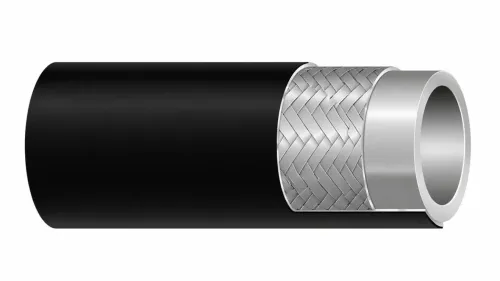
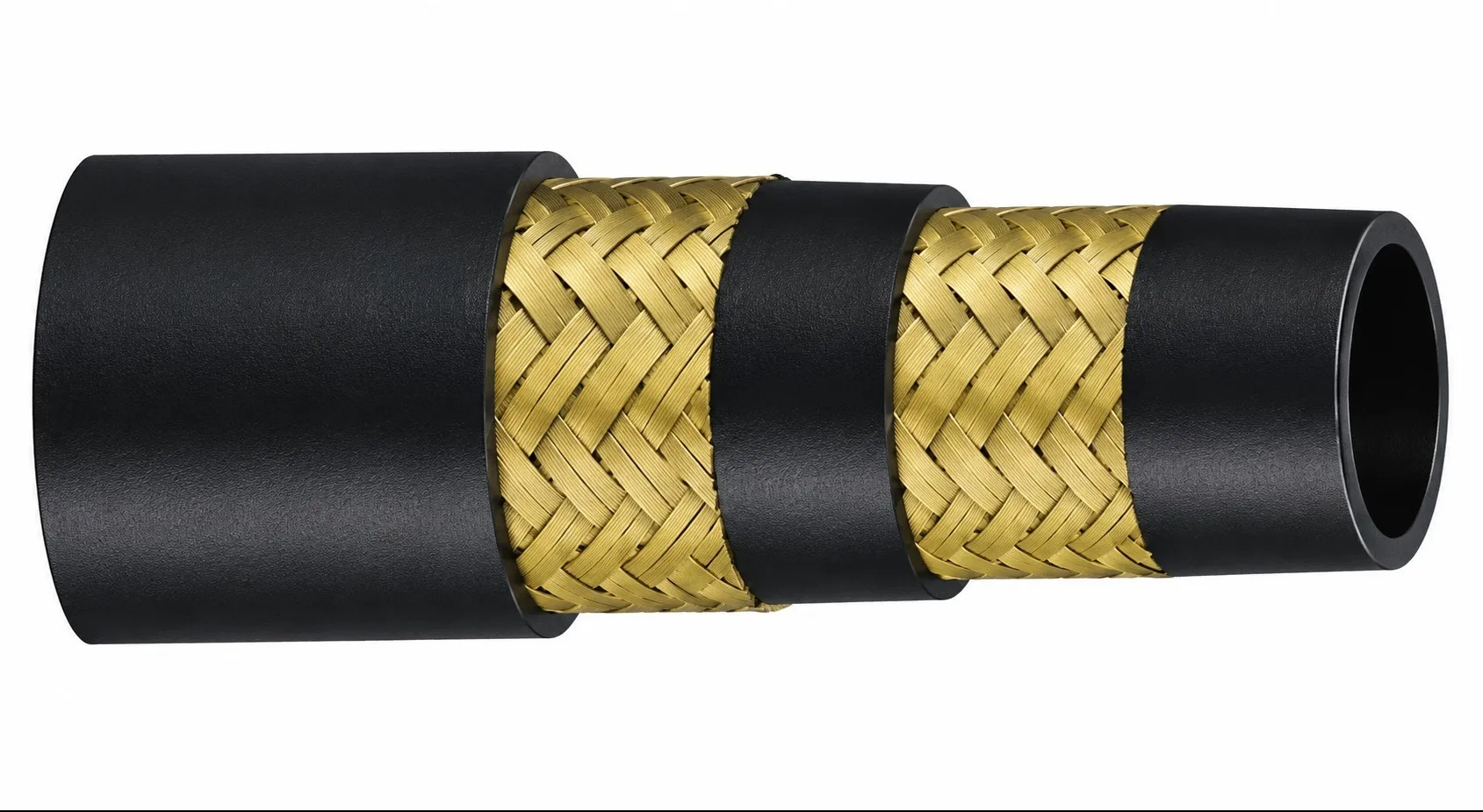
Moving water around an industrial facility sounds simple until the hose begins kinking, leaking, becoming difficult to handle, or deteriorating much sooner than expected. Selecting the right Water Hose therefore requires more than choosing a convenient diameter.
Manufacturing plants, construction businesses, engineering facilities, mining operations, and maintenance departments in Nagpur often have very different water-transfer requirements. Understanding the application first makes product selection far more reliable.
Start With the Water Application
The phrase industrial water transfer can describe many tasks. A hose might be used for equipment cleaning, construction work, utility water movement, washdown activities, dewatering, or general maintenance.
Identify the actual task before comparing products.
Useful questions include:
- Is the water being delivered under pressure?
- What flow rate is needed?
- How far must it travel?
- Will the hose remain stationary?
- Will workers move it repeatedly?
- Is the installation indoors or outdoors?
- Could vehicles or equipment pass over the hose?
These answers help define the required construction.
Match Diameter With Flow Demand
Diameter has an important relationship with water flow.
A smaller internal diameter may be manageable and lightweight but could restrict flow in demanding applications. A larger hose can support greater flow but may become heavier and less convenient to handle.
Length also affects performance. Procurement teams should therefore evaluate diameter and total run together rather than treating them as separate decisions.
Check Pressure Requirements
Not every Water Hose is designed for the same working pressure.
Check the manufacturer's stated pressure specifications against the intended system. The pressure at the source, operating fluctuations, fittings, and application conditions all need consideration.
Using an inadequately rated product can increase the risk of hose failure.
Consider Outdoor Exposure
Outdoor industrial use can be demanding. Hoses may encounter sunlight, rough ground, mud, dust, equipment movement, and repeated dragging.
For businesses operating around Nagpur and other industrial areas of Maharashtra, seasonal heat and outdoor exposure should be considered when evaluating hose materials.
The hose should be selected according to its documented suitability rather than assuming that every rubber-looking product performs equally outdoors.
Prevent Common Handling Problems
Many hose failures are influenced by handling rather than the transferred water itself.
Good practices include avoiding excessively tight bends, preventing unnecessary twisting, keeping hoses away from sharp edges, and storing them properly when they are not being used.
Connections should also be checked periodically. Leakage around a coupling may indicate a fitting problem rather than deterioration of the hose body.
Inspect Before Reusing
Before returning a hose to service, look for:
- Surface cracks
- Cuts
- Abraded sections
- Bulges
- Damaged connections
- Excessive stiffness
- Flattened areas
- Persistent leakage
An apparently small defect can become more significant under operating pressure.
Kanta Enterprises in Nagpur works with industrial customers requiring hoses and rubber products for varied operating environments. Clear information about pressure, diameter, length, temperature, and application makes supplier discussions more productive.
A well-selected hose is ultimately one that matches the actual job rather than simply fitting the available connection.
FAQs
How do I choose the correct Water Hose diameter
Consider the required water flow, hose length, source pressure, equipment connection, and application. Larger diameter does not automatically mean better performance for every task.
Is an industrial water hose suitable for continuous outdoor use
That depends on its material and manufacturer specifications. Confirm suitability for sunlight, temperature, weather, and other expected environmental conditions.
Why does a water hose kink frequently
Kinking can be influenced by hose construction, bend radius, storage, routing, pressure, and handling. Repeated kinking may eventually damage the hose.
Can the same water hose be used for chemicals
Not automatically. Chemical compatibility requires separate verification based on the substance, concentration, temperature, pressure, and hose material.
Keywords