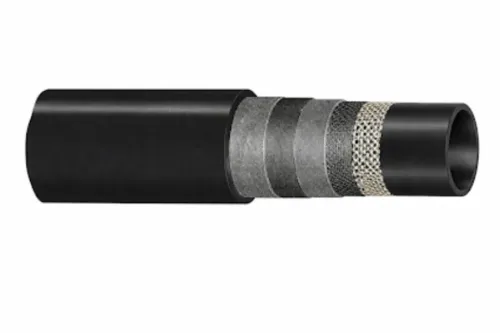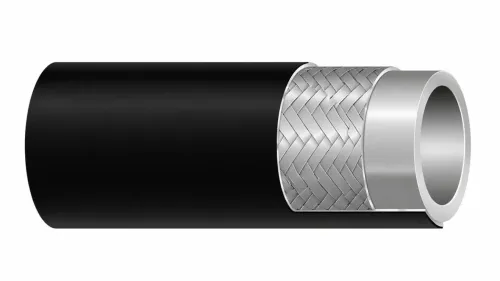
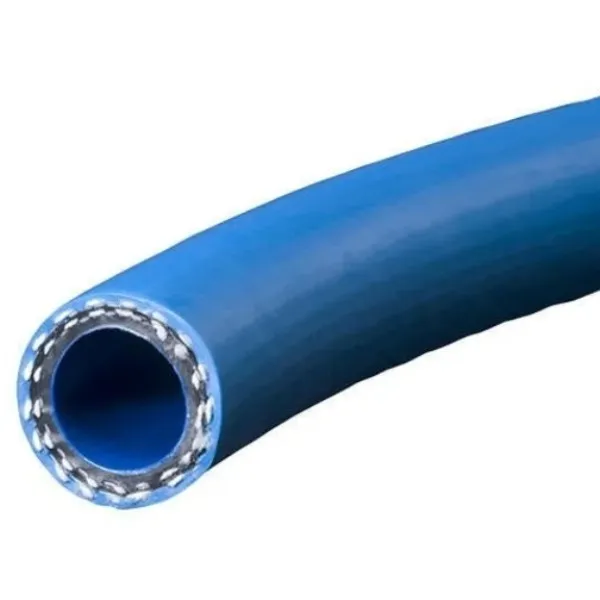
Chemical transfer applications can expose hoses to substances that affect rubber, polymers and reinforcement materials differently. Selecting a Chemical Hose based only on size or pressure can therefore create unnecessary risk. Chemical compatibility should be considered alongside concentration, temperature and operating conditions.
For chemical plants, manufacturing units and process industries in Nagpur and across Maharashtra, a structured evaluation makes purchasing decisions more dependable.
Chemical identity is the starting point
The exact chemical being transferred should be known before hose selection. A generic description such as acid, solvent or process chemical may not provide enough information.
Where relevant, buyers should provide:
- Exact chemical name
- Concentration
- Operating temperature
- Working pressure
- Suction or discharge duty
- Hose size and length
- Cleaning medium
- Required end connections
A hose material that performs appropriately with one chemical may not be suitable for another.
Concentration can change compatibility
Chemical concentration is easy to overlook. The same substance at different concentrations can interact differently with hose materials.
Temperature can further influence this interaction. A hose considered for a chemical at ambient temperature should not automatically be assumed suitable when the same fluid is transferred at elevated temperature.
This is why compatibility assessment should use actual operating conditions.
Suction applications introduce another consideration
When the hose operates under suction, construction becomes particularly important. A hose must be capable of handling the intended vacuum conditions without collapsing or restricting flow.
Discharge-only and suction-discharge applications should therefore not be treated as identical requirements.
Evaluate the complete assembly
Chemical transfer does not stop at the hose wall. Fittings, seals and other wetted components should also be compatible with the transferred substance.
Procurement teams sometimes focus heavily on hose material while overlooking the connection system. This can move the weakest point from the hose itself to the fitting or seal.
Replacement based on appearance can be misleading
An old hose may have lost its identification markings, making visual matching tempting. Colour and dimensions alone, however, do not establish chemical compatibility.
Where specifications are unclear, identifying the chemical and system conditions again is preferable to assuming the old installation used the correct product.
Kanta Enterprises in Nagpur supports industrial buyers looking for hoses and rubber products for varied fluid handling applications. Detailed application information enables the provider to evaluate the requirement against available product specifications rather than relying on superficial similarities.
For Maharashtra's chemical processing and manufacturing sectors, this approach is particularly useful when different chemicals are handled within the same facility.
The right Chemical Hose is ultimately determined by compatibility under real operating conditions. Chemical identity, concentration, temperature, pressure, suction requirements and connection materials all deserve attention. Treating these variables as one specification helps procurement and maintenance teams make more informed decisions and build fluid transfer systems suited to the process they are expected to handle.
Keywords