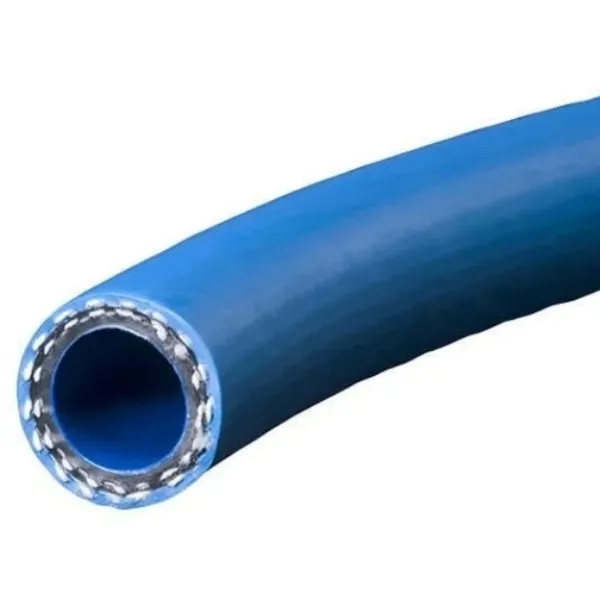
Chemical transfer systems require precision, reliability, and safety. The hose used to transport chemicals must withstand aggressive substances without degrading, leaking, or contaminating the process.
Selecting the correct chemical hose is therefore one of the most important decisions for maintenance engineers, procurement teams, and plant managers.
What Is a Chemical Hose?
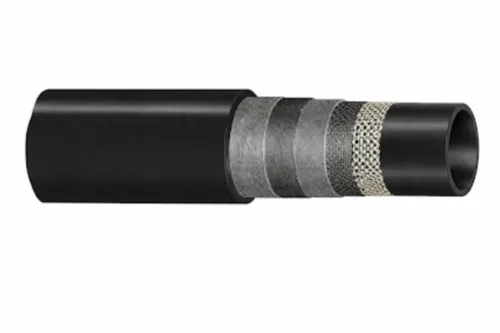
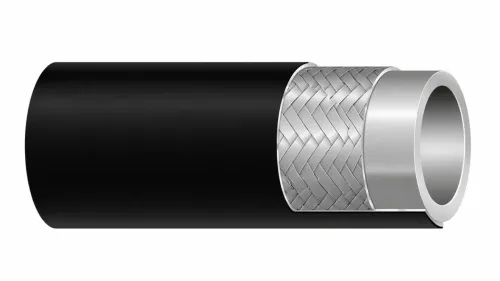
A chemical hose is designed specifically to transfer corrosive liquids, acids, alkalis, solvents, and industrial chemicals safely between equipment and storage systems.
Its construction differs from conventional hoses because the inner tube must resist chemical attack while maintaining flexibility and structural integrity.
Industries That Use Chemical Hoses
Chemical hoses are essential in:
- Chemical manufacturing
- Fertilizer plants
- Pharmaceutical industries
- Paint production
- Petrochemical facilities
- Water treatment plants
- Pulp and paper mills
- Industrial cleaning operations
Growing industrial sectors across Maharashtra continue expanding their demand for dependable chemical handling systems.
Why Chemical Compatibility Matters
Different chemicals react differently with hose materials.
Using an incompatible hose may result in:
- Swelling
- Hardening
- Cracking
- Internal erosion
- Leakage
- Product contamination
- Premature hose failure
Always verify compatibility before installation.
Factors to Evaluate Before Purchasing
Choosing the right chemical hose involves several considerations.
Chemical Type
Identify the exact chemical composition rather than relying on general descriptions.
Operating Temperature
Temperature changes can affect chemical resistance and hose flexibility.
Working Pressure
Ensure the hose meets or exceeds system operating pressure.
Hose Length
Avoid unnecessarily long hoses that may reduce efficiency or increase handling difficulty.
Environmental Conditions
Outdoor exposure, UV radiation, abrasion, and mechanical movement all influence hose lifespan.
Common Applications
Chemical hoses are frequently used for:
- Acid transfer
- Solvent handling
- Tank loading
- Bulk chemical unloading
- Industrial cleaning
- Waste chemical disposal
- Processing equipment connections
Each application demands careful material selection.
Maintenance Best Practices
To improve reliability:
- Flush hoses after use when required.
- Store in clean, dry conditions.
- Inspect fittings regularly.
- Replace damaged hoses immediately.
- Follow manufacturer pressure ratings.
- Maintain inspection schedules.
- Train operators on proper handling techniques.
Routine inspections reduce operational risks and unexpected downtime.
Mistakes to Avoid
Some of the most common errors include:
- Assuming all rubber hoses resist chemicals equally
- Ignoring compatibility charts
- Exceeding pressure ratings
- Using damaged fittings
- Skipping routine inspections
- Reusing severely worn hoses
Avoiding these mistakes helps improve both safety and equipment performance.
Industrial manufacturers including Kanta Enterprises provide chemical hose solutions for diverse industrial sectors in Nagpur, helping businesses select products suitable for challenging chemical transfer applications.
An appropriately selected chemical hose supports safer operations, longer equipment life, and greater confidence when handling demanding industrial fluids.
Keywords