A failed hydraulic line can stop a machine even when every other component is functioning correctly. Choosing a replacement Hydraulic Hose therefore requires a disciplined approach rather than matching the old hose by appearance.
Maintenance teams, OEMs, engineering businesses, construction companies, and industrial procurement departments in Nagpur frequently deal with hydraulic systems operating under different pressures and environmental conditions. Capturing the right information before purchasing can reduce specification errors.
Identify the Actual Application
Begin with the machine and function.
A hydraulic hose may serve cylinders, motors, steering circuits, lifting equipment, presses, construction machinery, or other systems. Knowing where the hose is used helps establish the expected duty.
If an existing hose failed, investigate the cause instead of treating replacement as the entire repair.
Abrasion, excessive heat, incorrect routing, twisting, contamination, unsuitable fittings, and abnormal pressure conditions may all contribute to repeated failures.
Record the Essential Specifications
Before approaching a supplier, gather as much information as possible.
A useful purchasing checklist includes:
- Hose identification markings
- Internal diameter
- Overall length
- Working pressure
- Fluid type
- Operating temperature
- End fitting types
- Fitting orientation where relevant
- Equipment make and model
- Routing conditions
- External abrasion exposure
Photographs can help communicate installation details, although technical specifications remain essential.
Avoid Selecting by Outside Diameter
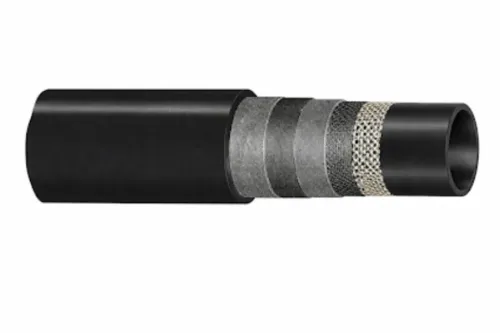
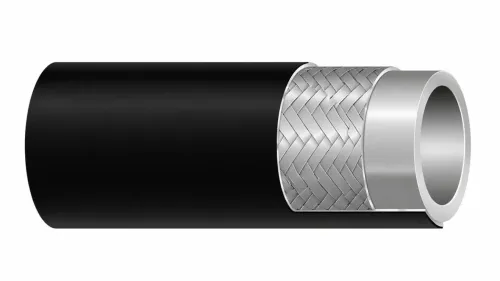
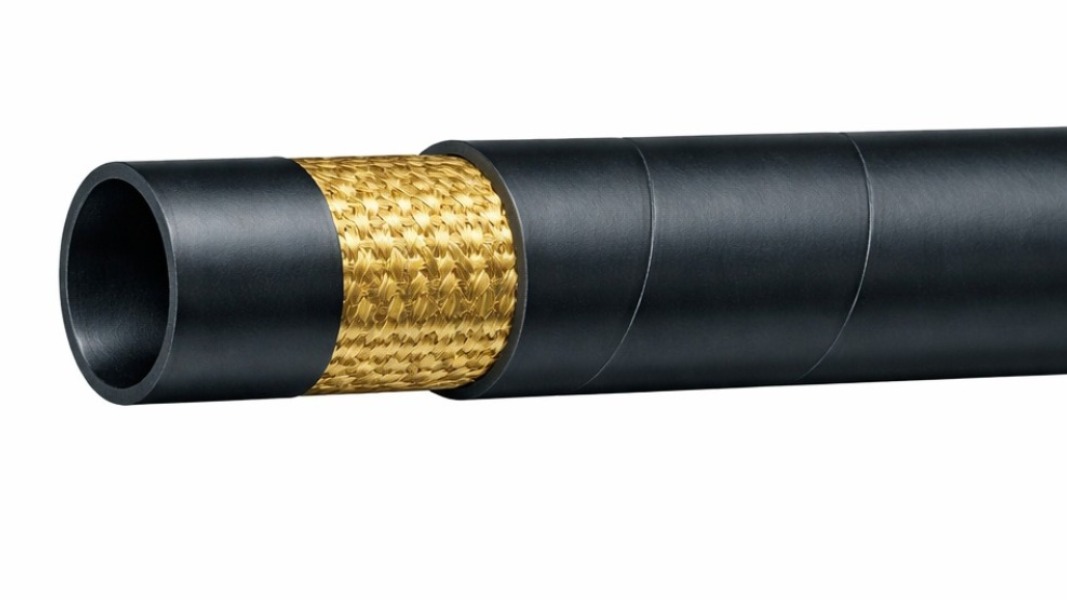
Two hoses that appear similar externally can have different internal construction and pressure capabilities.
A Hydraulic Hose should be selected according to documented specifications and application requirements. The fittings and assembly method are also part of the system.
This is why copying dimensions without identifying the actual hose type can create problems.
Check Routing Before Installation
Replacement provides an opportunity to inspect the routing.
Look for points where the hose rubs against metal, passes close to hot surfaces, becomes tightly bent, or twists during equipment movement.
The hose should have enough length for normal motion without excessive slack that creates additional contact points.
Manufacturer recommendations concerning bend radius and installation should be followed.
Evaluate Supplier Capability
Industrial buyers often focus on unit price, but availability and specification support can be equally important.
When evaluating a supplier, ask whether the required hose type, size, and related products can be identified from complete application information.
For companies in Nagpur, local access can be useful when maintenance schedules depend on timely procurement and clear communication.
Kanta Enterprises works with industrial hose and rubber product requirements for manufacturing, engineering, construction, mining, and maintenance applications. Providing complete specifications at the enquiry stage helps the company assess the requirement more accurately.
Build a Hose Replacement Record
For recurring machinery requirements, maintain a simple hose register.
Record the machine, hose identification, size, length, fittings, replacement date, and reason for replacement. Over time, this information can reveal recurring failure patterns and make procurement quicker.
It also reduces dependence on memory when the same component is needed months later.
FAQs
What should I know before buying a Hydraulic Hose
Know the hose size, pressure requirement, fluid, temperature, length, fitting details, equipment application, and environmental conditions.
Is hydraulic hose size based only on the fitting
No. The internal diameter and flow requirements are important, while fitting size alone does not define the complete hose specification.
Why does the same hydraulic hose keep failing
Repeated failure may point to routing problems, abrasion, excessive heat, pressure issues, twisting, contamination, incompatible materials, or another system condition.
Should hydraulic hoses be replaced based only on age
Age is one consideration, but inspection, application severity, manufacturer guidance, service history, and condition should also inform maintenance decisions.
Keywords