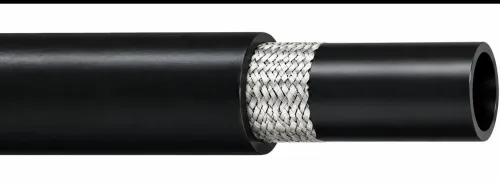


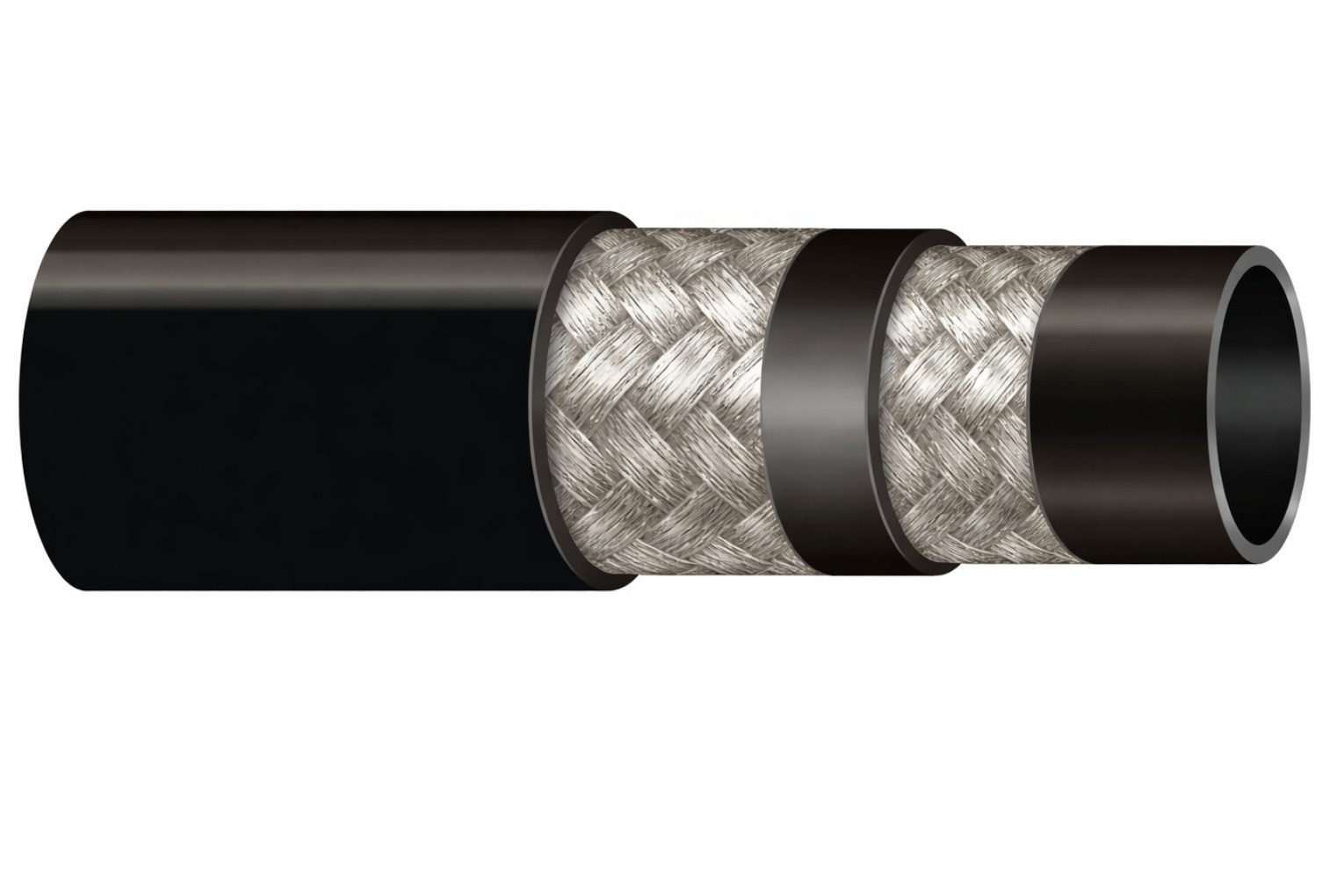
Compressed-air systems depend on more than compressors, regulators, and pneumatic tools. The Air Hose connecting these components has a direct role in maintaining airflow, supporting pressure requirements, and allowing operators to work safely and efficiently.
For factories, fabrication units, workshops, engineering companies, and maintenance teams in Nagpur, Maharashtra, choosing a hose based only on diameter or price can create avoidable problems. Pressure loss, premature cracking, poor flexibility, and unsuitable couplings can all affect day-to-day operations.
Understanding Air Hose Requirements
An air hose carries compressed air from the supply point to pneumatic equipment. Although the function sounds straightforward, operating conditions vary considerably.
Before selecting a hose, identify:
- Normal working pressure
- Maximum expected pressure
- Required internal diameter
- Total hose length
- Ambient temperature
- Exposure to oil, abrasion, and weather
- Frequency of movement
- Type of pneumatic equipment
- End connection requirements
A hose suitable for a small workshop tool may not be appropriate for demanding industrial pneumatic equipment.
Why Hose Diameter Matters
Internal diameter affects how much compressed air can travel through the line. A hose that is too restrictive may create pressure drop, particularly when the line is long or the connected equipment has high air consumption.
This can result in pneumatic tools appearing underpowered even when the compressor itself is adequately sized.
Instead of selecting a hose simply because it fits an existing connector, buyers should consider the airflow requirement of the equipment.
Flexibility Has an Operational Purpose
Flexibility is especially important where operators regularly move pneumatic tools.
A highly rigid hose may be difficult to handle, while an unsuitable lightweight hose may not provide the durability required for an industrial environment. The correct balance depends on how and where the hose will be used.
In fabrication shops and maintenance areas, resistance to dragging, bending, and repeated handling can be particularly important.
Pressure Rating Needs Proper Attention
Working pressure should never be treated as a minor specification.
The selected Air Hose needs to be compatible with the intended compressed-air application and operating pressure. Procurement teams should review manufacturer specifications rather than relying on appearance or assumptions based on hose thickness.
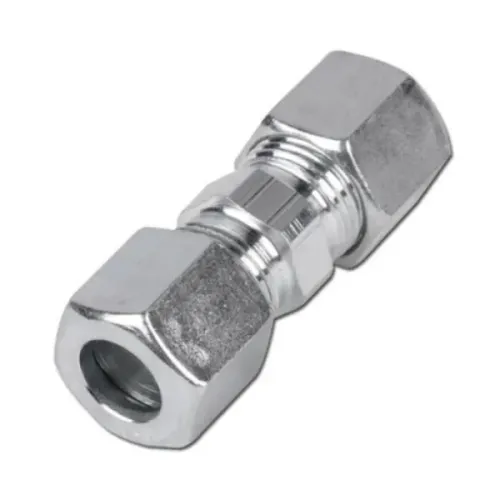
The complete assembly also matters. Fittings, clamps, couplings, and connectors need to suit the operating conditions.
Watch the Working Environment
Nagpur's industrial businesses may use compressed-air hoses indoors, outdoors, around machinery, or in areas where oil and abrasive surfaces are present.
Ask whether the hose could encounter:
- Oil mist
- Sharp edges
- Hot surfaces
- Outdoor sunlight
- Frequent vehicle movement
- Chemicals
- Repeated bending
These factors can influence material and construction requirements.
Routine inspection is equally important. Cracks, cuts, bulges, damaged fittings, or unusual stiffness should not be ignored.
Kanta Enterprises supplies industrial hose and rubber product requirements for businesses evaluating products according to actual application conditions. Providing accurate operating information helps a supplier recommend a more appropriate specification.
FAQs
What pressure rating should an Air Hose have
The appropriate rating depends on the system's actual working pressure, operating conditions, and hose manufacturer's specifications. A suitable safety margin and compatible fittings should also be considered.
Can a longer hose reduce pneumatic performance
Yes. Long hose runs, insufficient internal diameter, restrictions, and unsuitable fittings can contribute to pressure loss and reduced airflow at the tool.
How often should industrial air hoses be inspected
Inspection frequency should reflect usage severity. Hoses exposed to frequent movement, abrasion, oil, weather, or demanding operating conditions generally require closer monitoring.
Can any hose be connected to compressed air
No. A hose should be specifically suitable for the intended medium, pressure, temperature, and environment. Product specifications should always be checked before use.